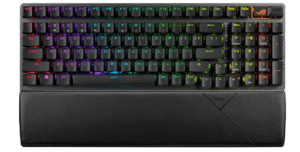
Top 10 Lightweight Gaming Mice
Top 10 Lightweight Gaming Mice Read More »
Looking for the best gaming gear to upgrade your setup?
At TechGearTopTen, we compare and rank gaming peripherals based on real-world performance, comfort, durability, and value — not marketing hype.
From competitive esports peripherals to casual gaming accessories, the right gear can significantly improve reaction time, precision, comfort, and overall immersion. Whether you’re playing fast-paced FPS titles, strategy games, sports games, or open-world RPGs, choosing the right keyboard, mouse, controller, or headset makes a noticeable difference.
This category covers essential gaming peripherals organized by use case, budget, and performance level so you can quickly compare the best options available in 2026.
Alongside our Top 10 rankings, you’ll also find practical guides that explain how gaming gear actually affects performance and how to choose the right equipment for your play style.
Explore our expert Top 10 rankings covering gaming keyboards, gaming mice, controllers, and wireless gaming headsets — all organized by performance and buyer intent.
These rankings include:
Each list focuses on a specific type of gaming peripheral and compares leading models across factors like performance, comfort, durability, and overall value.
Some rankings prioritize competitive performance and low latency, while others highlight balanced options that work well for everyday gaming. Whether you’re building your first gaming setup or upgrading a single component, our rankings help narrow down the best options quickly.
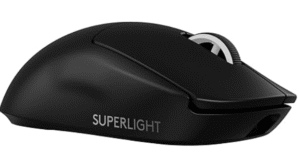
High-performance gaming mice feature precise optical sensors, adjustable DPI settings, lightweight designs, and customizable buttons that allow players to fine-tune sensitivity and control. Mechanical gaming keyboards provide faster actuation and consistent keystrokes through durable switch mechanisms designed for millions of presses.
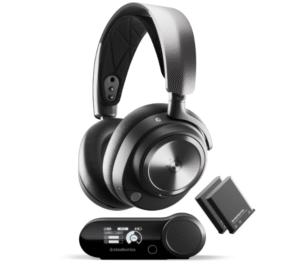
Gaming headsets now emphasize directional audio clarity, microphone quality, and long-term comfort. Many models support spatial audio technologies that help players detect footsteps, gunfire direction, and environmental cues more easily.
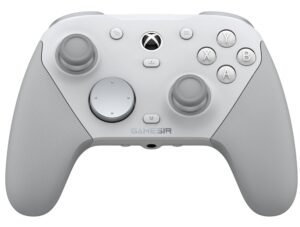
Controllers focus on ergonomics, responsive triggers, and compatibility across multiple platforms. Gaming monitors add another layer of performance with high refresh rates, low response times, and adaptive sync technologies that reduce motion blur and screen tearing.
Understanding how these features affect real gameplay helps you avoid overspending on unnecessary extras while investing in upgrades that genuinely improve performance.
Different game genres place different demands on gaming gear. The peripherals that benefit a competitive FPS player may not be the same ones preferred by someone playing strategy or open-world titles.
Fast-paced first-person shooters often benefit from lightweight gaming mice with precise sensors and low click latency. Competitive players tend to favor simple, highly responsive designs that prioritize aiming accuracy and fast movement.
Strategy, MOBA, and MMO games place greater emphasis on keyboard reliability and programmable inputs. Extra mouse buttons and consistent keystrokes can make managing multiple commands much easier.
Racing and sports games often work best with controllers that provide precise analog input and responsive triggers. These allow players to control acceleration, braking, and steering more smoothly.
Open-world and RPG titles tend to prioritize immersion and long-term comfort. Headsets with clear audio positioning and comfortable padding can make extended sessions far more enjoyable.
Casual and couch gaming setups may focus more on wireless convenience, simple controls, and flexible compatibility across multiple devices.
The best gaming gear depends on what you play, how you play, and what you value most — speed, precision, comfort, or immersion.
Competitive players often prioritize low latency, high polling rates, accurate sensors, and stable mechanical switches that remove mechanical limitations during gameplay. Casual players may care more about comfort, plug-and-play simplicity, and overall value.
When evaluating gaming gear, focus on the features that influence real use:
If you’re unsure how these factors come together in real use, it helps to look at each category more closely. For mouse selection, How to Choose a Gaming Mouse explains how shape, weight, and sensor performance affect control and consistency. For keyboards, Mechanical vs Membrane Keyboards breaks down the differences in feel, responsiveness, and durability. And for audio, What Makes a Good Gaming Headset outlines what actually matters for sound quality, communication, and long-session comfort.
Avoid common mistakes like overpaying for RGB lighting alone, choosing gear that doesn’t match your hand size or desk space, or ignoring compatibility with your gaming platform.
Competitive gaming gear is designed to remove mechanical limitations and maximize responsiveness. Professional and esports-focused equipment often emphasizes low input latency, lightweight construction, precise sensors, and consistent actuation.
Casual gaming gear, on the other hand, prioritizes comfort, versatility, and ease of use. Many players prefer equipment that works well across multiple games and devices rather than specialized competitive hardware.
For example, a professional FPS player may prefer an extremely lightweight mouse with minimal buttons and ultra-fast polling rates. A casual gamer might prefer a slightly heavier mouse with extra buttons, longer battery life, and broader compatibility.
Neither approach is inherently better. The best gaming gear is simply the equipment that fits your gaming habits, preferred genres, and comfort preferences.
Gaming hardware marketing often promotes features that sound impressive but provide little real-world advantage.
One common myth is that extremely high DPI automatically improves aim. In reality, sensitivity and control depend on how DPI is configured, which is explained in more detail in Gaming Mouse DPI Explained.
Another misconception is that RGB lighting improves performance. While customizable lighting can enhance aesthetics, it has no direct impact on gameplay accuracy or reaction time.
Some players also assume that more expensive gear always performs better. While high-end equipment can offer improvements, many mid-range peripherals provide excellent performance for most players.
Compatibility and setup considerations are often overlooked when choosing gaming gear.
Some peripherals are optimized primarily for PC gaming, while others support consoles such as Xbox or PlayStation. Certain controllers, headsets, and accessories may require specific adapters or software to function fully across platforms.
Wireless devices also introduce small latency trade-offs compared to wired alternatives. While modern wireless technologies have improved dramatically, competitive players may still prefer wired connections for absolute consistency.
For a deeper breakdown of latency, reliability, and real‑world performance differences, see our guide on wired vs wireless gaming gear.
Desk space, cable management, and ergonomics also play important roles in overall setup comfort. A lightweight mouse or compact keyboard may feel very different depending on desk layout and available space.
Checking software support, firmware updates, and driver compatibility can also prevent issues later.
Each product is compared against similar competitors in the same category and price range to ensure fair evaluation.
Gaming hardware continues to improve as new technologies emerge.
Sensor accuracy has increased dramatically in modern gaming mice, allowing more consistent tracking and lower input delay. Keyboards now feature faster switches and more durable construction, while wireless technology has reduced latency to levels that rival many wired devices.
Manufacturers are also using lighter materials, improved battery technology, and better cross-platform compatibility to expand how gaming peripherals can be used.
At the same time, performance gains at the highest price tiers are becoming smaller, meaning many mid-range devices now offer excellent value for most players.
We update this category regularly with new product releases, ranking adjustments, and discontinued models removed. As gaming hardware evolves and new products enter the market, our rankings and guides are updated to ensure you’re always seeing the strongest current gaming gear options available.